
Link between savings habits & financial freedom in India
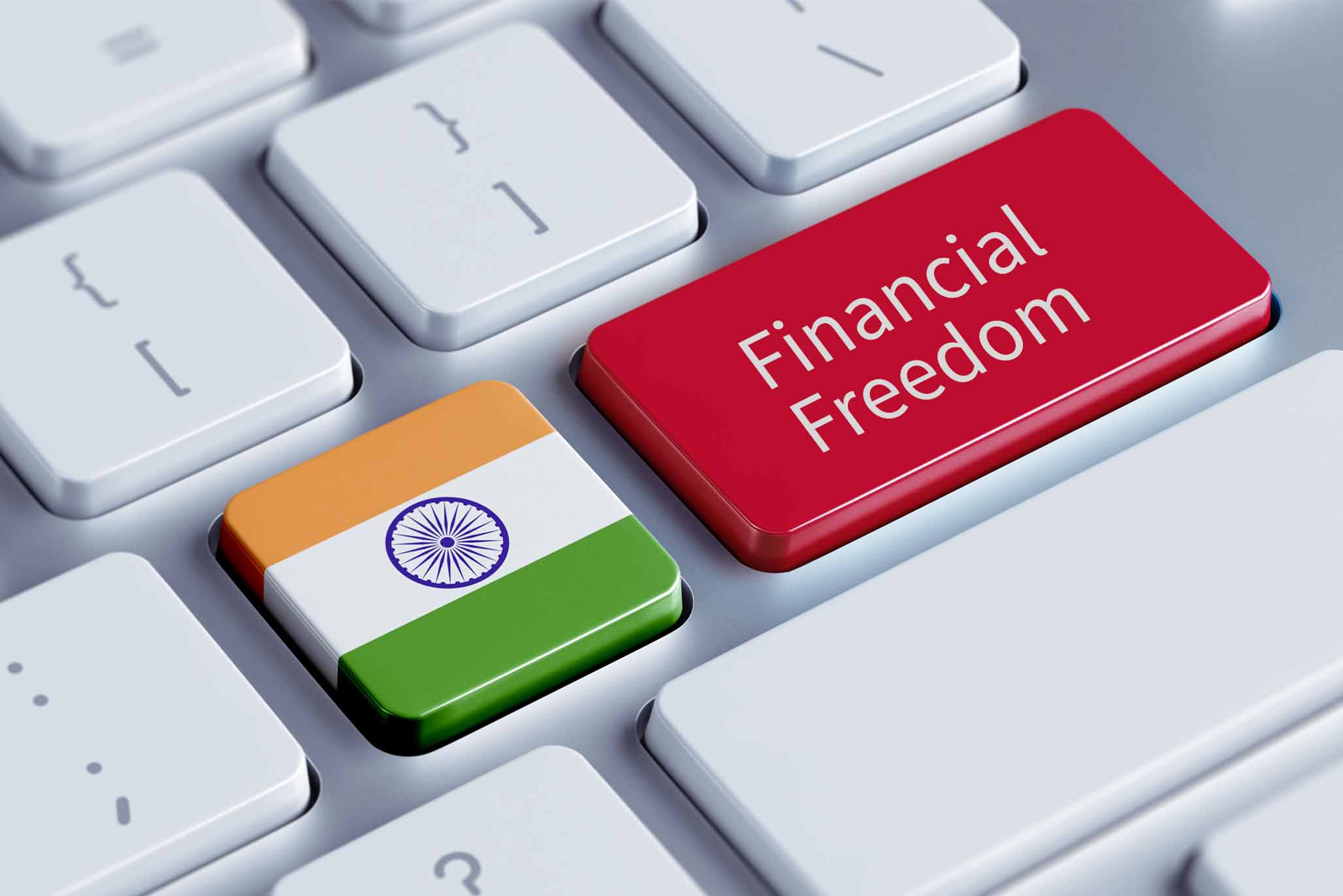
The idea of financial freedom is more than just a dream; it is about living life on your own terms without fretting about money. From saving the first ₹500 in a savings account to investing prudently for long-term goals, every minor step brings you closer to financial independence.
Actual financial freedom is not about how much one earns but how prudently one saves and plans. Curating disciplined savings habits can turn financial goals into attainable milestones. And with the rise of digital banking, even a digital savings account makes managing money effortless and transparent.
Here is how consistent saving habits can act as the base for financial freedom:
Building a strong financial base
Savings have always been a part of financial culture, from traditional piggy banks to modern savings accounts. Regular savings act as the backbone of financial stability, helping you handle emergencies without borrowing.
A well-maintained digital savings account offers easy access, quick transfers, and interest earnings that steadily grow your funds. This steady foundation ensures financial independence even during uncertain times, whether it’s a medical emergency or a sudden job change.
Developing financial discipline
Saving consistently creates discipline, the ability to prioritise needs over wants. In a country like India, where festive spending and family obligations can often stretch budgets, disciplined saving ensures stability.
Automating deposits into a digital savings account every month prevents impulsive spending and makes saving a natural habit. Over a long time, this discipline transforms into financial strength, empowering you to make decisions in a confident way without depending on credit or loans.
Turning small savings into long-term wealth
Financial freedom does not come overnight; it grows with time and consistency. Even minor deposits in a savings account can become significant with interest and the compounding effect.
Linking your digital savings account to investment vehicles such as Recurring Deposits (RD) or Systematic Investment Plans (SIPs) can help convert idle funds into wealth. This steady growth helps attain bigger financial goals, from purchasing a home to ensuring a stress-free retirement.
Reducing dependence on debt
Strong saving habits naturally reduce dependency on debt. In India, where personal loans and credit cards are simply available, savings serve as a safety cushion. Having funds readily available in a savings account means major expenditures like medical bills or education fees do not require borrowing. A digital savings account also allows goal-based saving, for travel, emergencies, or investments, reducing the temptation to rely on credit. Lesser debt means more financial control and mental peace, which are key pillars of financial freedom.
Empowering future planning and security
A good saver is a step ahead. Periodic saving builds great confidence to plan for future milestones such as a child’s higher education, retirement, or a dream business. Having a digital savings account makes it easier to track monetary growth, set well-defined targets, and attain them without hassle.
This financial preparedness ensures that goals are met on time and never compromised. In India’s dynamic economy, where job markets and inflation tend to fluctuate, consistent saving remains the key to lasting financial security and true independence.
Ending note
Financial freedom starts with simple, consistent savings habits. Whether it is using a conventional savings account or a digital savings account, every deposit adds up to long-term confidence and financial independence.
By saving first and spending later, managing debt prudently, and turning small savings into wealth, one can attain true control over money. In the end, financial freedom is not about how much you have; it is about how well you manage what you earn. And that journey always starts with the habit of saving.


